Current rebates available — see what you qualify for
View Rebates →
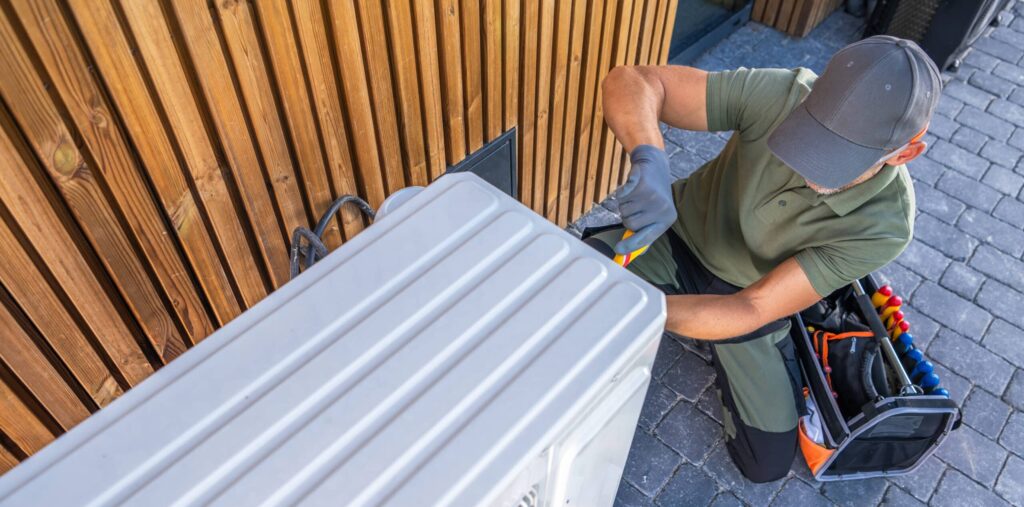
A technician in a gray cap is crouched beside a white air conditioning unit, using tools for maintenance. He is wearing gloves and has a toolbox with various tools nearby. The background features wooden paneling and a paved surface.
New Homeowners

Welcome Home. Let's Keep You Comfortable.

Whether you just closed on your first home or moved into a brand-new build, your HVAC system is one of the most important and most overlooked parts of your new property. MGI Heating and Air is here to help you start off on the right foot.
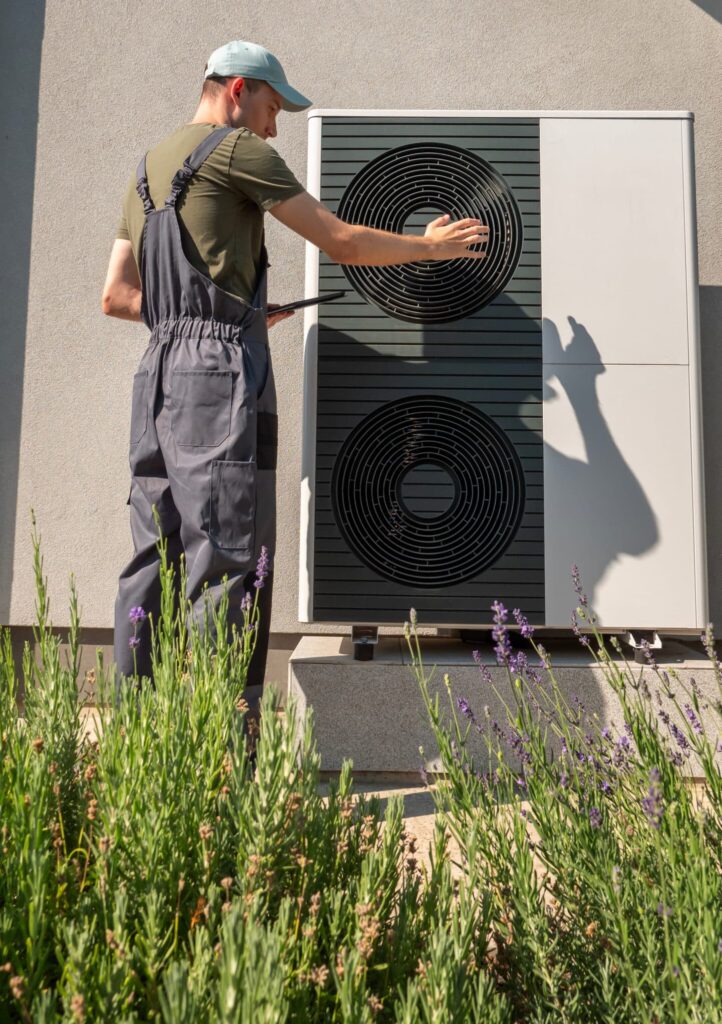
A technician in a green shirt and gray overalls is inspecting a wall-mounted heat pump unit. He is touching the upper circular component while standing in front of lavender plants and a concrete wall.
A silver circular emblem featuring the text "FACTORY AUTHORIZED DEALER" in blue, surrounded by the words "CARRIER RESIDENTIAL". The bottom section includes the brand name "Carrier" within a blue oval, indicating a certification for HVAC services.
For Every Homeowner

New Home, New Responsibilities

Moving into a new home is exciting, but it also means inheriting a heating and cooling system you may know very little about. Whether your home is 50 years old or fresh off the builder’s lot, your HVAC system quietly works in the background to keep you warm in the winter and cool through Colorado’s hot summers and it needs a little attention to do its job well.

The good news: a few simple habits established early on can extend the life of your equipment, lower your energy bills, and help you catch small problems before they become expensive repairs.

ESSENTIAL HVAC First Steps FOR NEW HOMEOWNERS

Don't wait for something to go wrong. Here's what we recommend doing within the first few weeks of moving in.
An illustration of an air conditioning unit, featuring a front panel with buttons and control display. The design includes an icon indicating cooling function and is shown in a simple line-art style.

Check (or Change) Your Air Filter

Your air filter is the easiest and most impactful maintenance task you can do yourself. A dirty filter restricts airflow, reduces efficiency, and strains your system. Check it within your first week regardless of what the previous owner said about it. Most filters should be replaced every 1–3 months depending on the type and household (pets and allergies mean more frequent changes). Write the replacement date on the filter itself so it's easy to track.
An icon depicting a kitchen range hood with flames and a wrench overlay, symbolizing maintenance or repairs for kitchen appliances.

Locate and Understand Your Thermostat

Find out what kind of thermostat you have and how to use it. If it's a programmable or smart thermostat, take a few minutes to set a schedule. This alone can save you 10–15% on your heating and cooling costs. If your thermostat is older or basic, consider upgrading. We can help you find a model that works with your system.
A white retro-style electric timer switch with a round dial and three buttons on the front. The dial indicates time settings, while the buttons are for adjusting or activating the timer functions.

Find Your Equipment and Document it

Locate your furnace, air conditioner (or heat pump), and water heater. Note the brand, model number, and serial number for each. You'll need these for warranty registration, service calls, and any future repairs. If there's a maintenance history on file from the previous owner or builder, hold onto it.
A minimalist icon depicting a fireplace with a flame outlined in white. Below the flame, there is a water droplet symbol, suggesting a connection between fire and water. The icon has a simple, clean design suitable for modern interfaces.

Check all Your Vents and Registers

Walk through every room and make sure supply and return vents are open and unobstructed by furniture, rugs, or drapes. Blocked vents can create pressure imbalances that overwork your system and lead to uneven temperatures throughout the house.
A simplified icon representing home construction, featuring a roof with a chimney, next to a construction crane. The design is minimalistic, using white lines against a colored background, indicating an ongoing building project.

Schedule a Professional Tune-up

Even if your system looks fine, an HVAC inspection from a certified technician is worth it in the first year of homeownership. We'll verify that everything is installed and operating correctly, check refrigerant levels, test safety controls, and give you a clear picture of the current condition of your equipment so there are no surprises.
An illustration showing six vertical dots on the left and three outgoing arrows on the right, indicating a flow or process. The design is simple, featuring light colors on a dark background, suggesting a technological or data-related theme.

Think About Indoor Air Quality

Northern Colorado's dry climate can wreak havoc on your home. Dry air causes static, cracked wood floors, and irritated sinuses. A whole-home humidifier integrated with your HVAC system helps maintain comfortable humidity levels year-round. Ask us about your options.

Just Moved Into a New Construction Home?

Congratulations, you have brand-new equipment with factory warranties! But new doesn’t automatically mean problem-free. There are a few things specific to new construction that are worth knowing:

Register Your Equipment Now

Manufacturer warranties don’t activate automatically. Most require registration within 60–90 days of installation to receive the full warranty term (often 10 years on parts vs. 5 years unregistered). Use the form below and we’ll handle the registration for you.

Your System May Need Balancing

Newly built homes often have HVAC systems that haven’t been fully balanced or commissioned. You might notice that some rooms are significantly warmer or cooler than others. This is common and correctable. A technician can adjust dampers and airflow to even things out.

Construction Debris in Your Ducts

It’s not uncommon for drywall dust, insulation particles, and construction debris to end up in the ductwork during a new build. A duct inspection or cleaning in the first year is a smart investment to protect your equipment and the air quality in your home.

Your First Filter Change Will Be Surprising

Pull that filter within 30–60 days of moving in. Construction dust moves through the system fast, and a clogged filter that early can reduce efficiency and shorten equipment life.
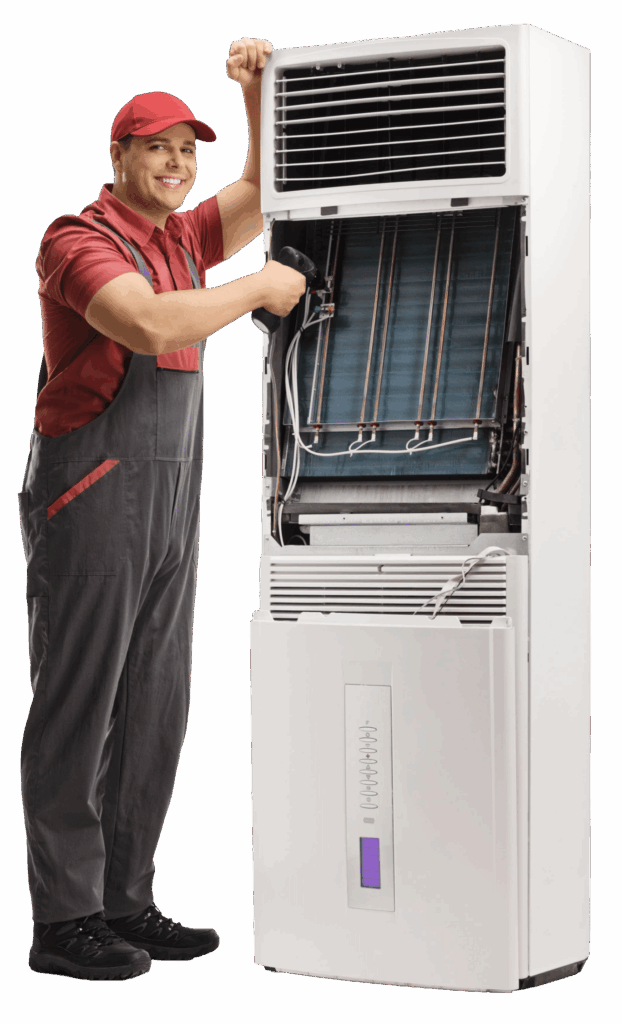
A male technician in a red shirt and cap stands next to an opened vertical air conditioning unit, smiling. He is holding a tool, inspecting the internal components of the air conditioner, which has visible coils and a fan inside.

Warning Signs Your HVAC System Needs Repair

These are the most common HVAC questions MGI Mechanical Services sees in Northern Colorado homes.

Banging, rattling, screeching, or clicking sounds are not normal operating sounds. A banging noise often signals a loose or broken component. Screeching can mean a failing motor bearing. If your system sounds different than usual, don’t ignore it.

If some rooms are significantly hotter or colder than where your thermostat is set, you may have an airflow issue, a duct problem, or an undersized system. This is especially common in new builds that haven’t been properly balanced.

A sudden spike in your heating or cooling costs without a change in usage or weather patterns is a red flag. It often means your system is working harder than it should. This can point to a refrigerant leak, a failing component, or a dirty coil.

If your system runs for a very short time, shuts off, and then starts up again repeatedly, it’s short cycling. This puts excessive wear on your equipment and usually signals an issue with the thermostat, refrigerant, or airflow.

If you barely feel air coming from your vents, check your filter first. If it’s clean, the problem may be a failing blower motor, blocked ducts, or a more serious issue that needs a technician’s eyes.

A small amount of condensation can be normal, but pooling water or persistent moisture around your furnace, air handler, or AC unit is not. It can indicate a clogged condensate drain, a refrigerant leak, or a heat exchanger issue, all of which need prompt attention.

Before you call, check your thermostat settings and make sure your circuit breaker hasn’t tripped. If everything looks right and the system still won’t respond, call us. It’s not something to troubleshoot on your own.

Let Us Handle Your Registration

Register Your HVAC Equipment

Registering your equipment with the manufacturer protects your warranty and ensures you receive the maximum coverage on parts and labor. Fill out the form below and our team will submit the registration on your behalf. We'll follow up if we need any additional information.
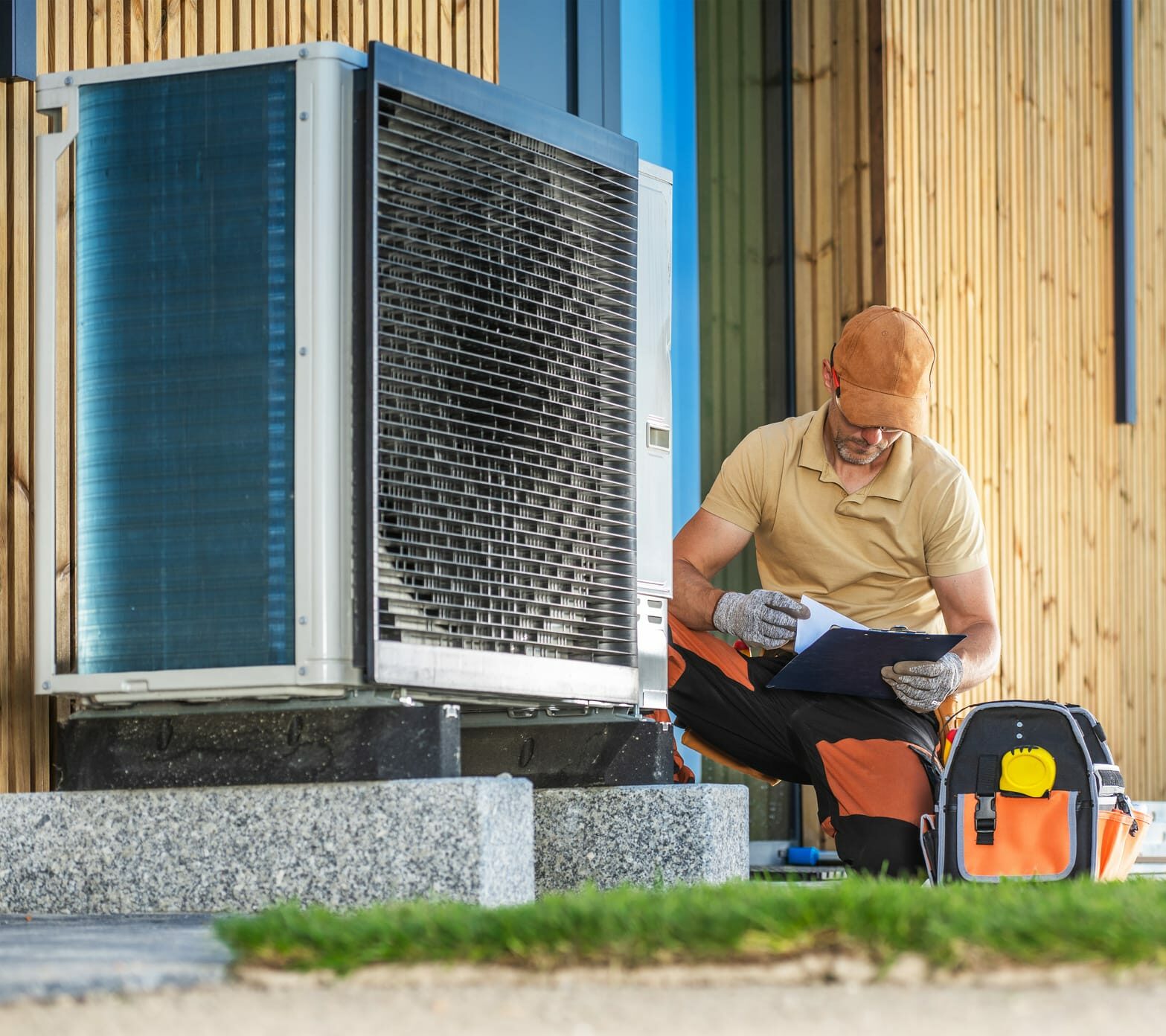
A technician in a cap is kneeling beside an air conditioning unit outside a building, taking notes on a clipboard. The technician is wearing gloves and has a tool bag nearby, with a backdrop of wooden paneling and blue walls.

Product Registration

This field is for validation purposes and should be left unchanged.
Name(Required)